A green film on your siding, dark stains beneath the gutters, or slippery buildup on your driveway can make your home look neglected. These signs often appear when moisture, shade, dirt, and organic debris remain on exterior surfaces.
Mold removal pressure washing can remove visible growth from many parts of your property. However, pressure alone may not kill every spore or stop the problem from returning. The safest results come from using the right cleaning solution, water pressure, and method for each surface.
KRS Pressure Washing is based in Burlington, Kentucky, and serves Northern Kentucky and the Greater Cincinnati area. Its team uses custom-built soft-washing and power-washing equipment for houses, roofs, decks, fences, driveways, sidewalks, and commercial properties.
Can Pressure Washing Remove Mold and Algae?
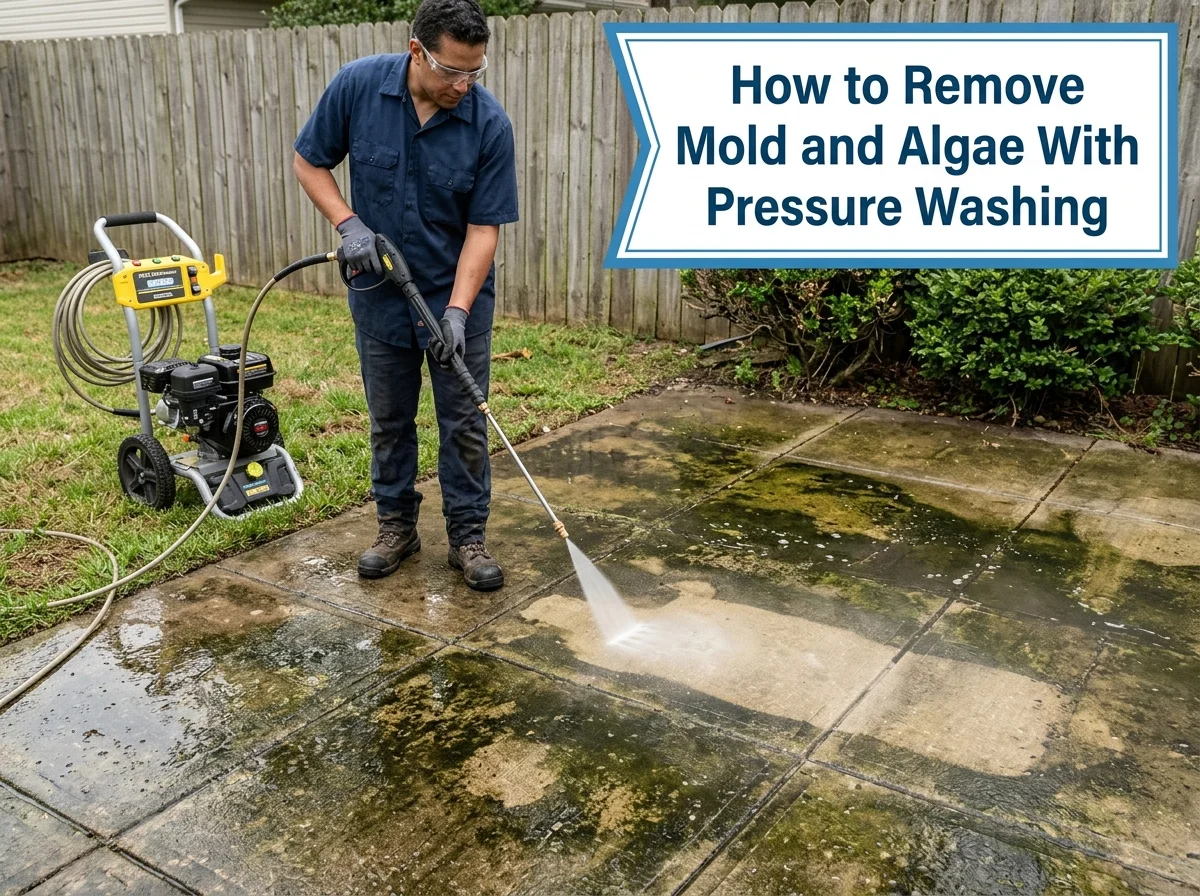
Pressure washing can remove visible mold, algae, mildew, dirt, and grime from many exterior surfaces. It works especially well on durable materials such as concrete, brick, and some hardscape areas.
The process works better when a suitable cleaning solution is applied before rinsing. The solution helps loosen organic growth so the technician can remove it with controlled water pressure.
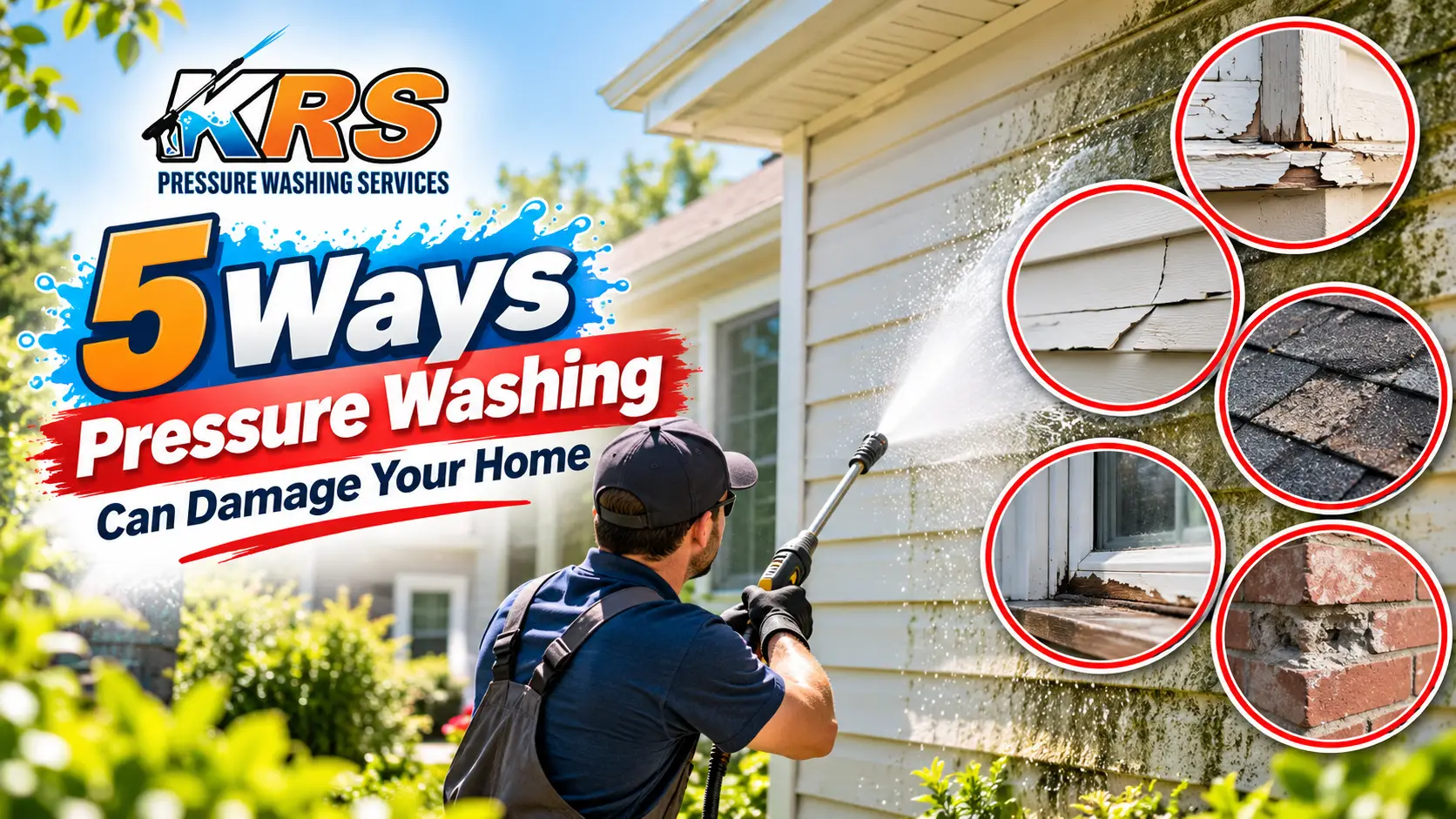
Soft washing may be safer for siding, roofs, painted wood, stucco, and other delicate surfaces. High pressure can damage these materials, force water behind siding, or remove paint.
The basic process includes:
- Inspecting the surface and identifying the buildup.
- Protecting plants, windows, doors, and nearby items.
- Applying a suitable cleaning solution.
- Allowing the solution time to work.
- Rinsing with pressure suited to the surface.
- Checking for missed areas.
- Addressing moisture or drainage problems when possible.
Why Mold and Algae Grow Outside
Mold, mildew, and algae need moisture to grow. They spread more easily when dirt, leaves, pollen, and other organic matter remain on exterior surfaces.
Shaded walls often stay damp longer after rain. Gutters, downspouts, dense plants, and poor drainage can keep siding, concrete, decks, and patios wet.
This creates ideal conditions for organic surface buildup. Without regular exterior surface cleaning, small spots can spread across larger areas.
Common Signs of Mold and Algae
- Green film or patches on siding.
- Black or gray stains beneath roof edges.
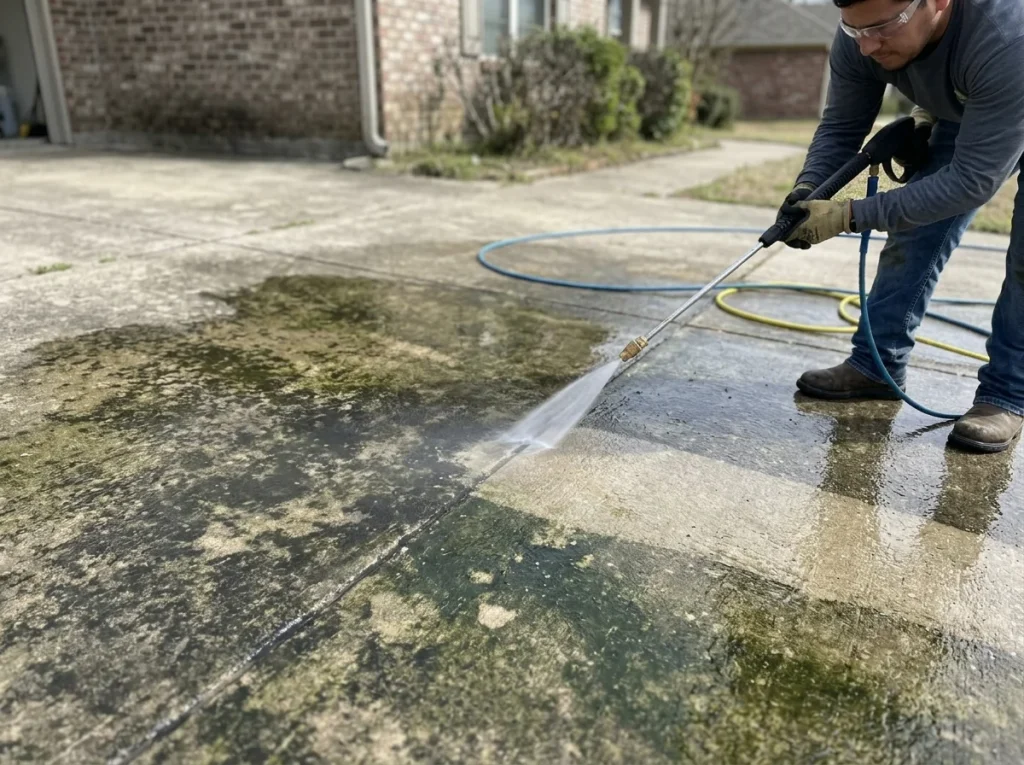
- Slippery green areas on concrete.
- Fuzzy growth on shaded wood.
- Dark buildup around gutters and downspouts.
- Green marks on patios and walkways.
- Stains that return after basic rinsing.
Where Exterior Growth Appears
Mold and algae can grow on vinyl siding, painted wood, fiber cement, decks, fences, patios, driveways, walkways, gutters, soffits, brick, and roof sections.
Porous materials often hold moisture longer than smooth surfaces. Shaded areas may also show growth sooner because they receive less sunlight and airflow.
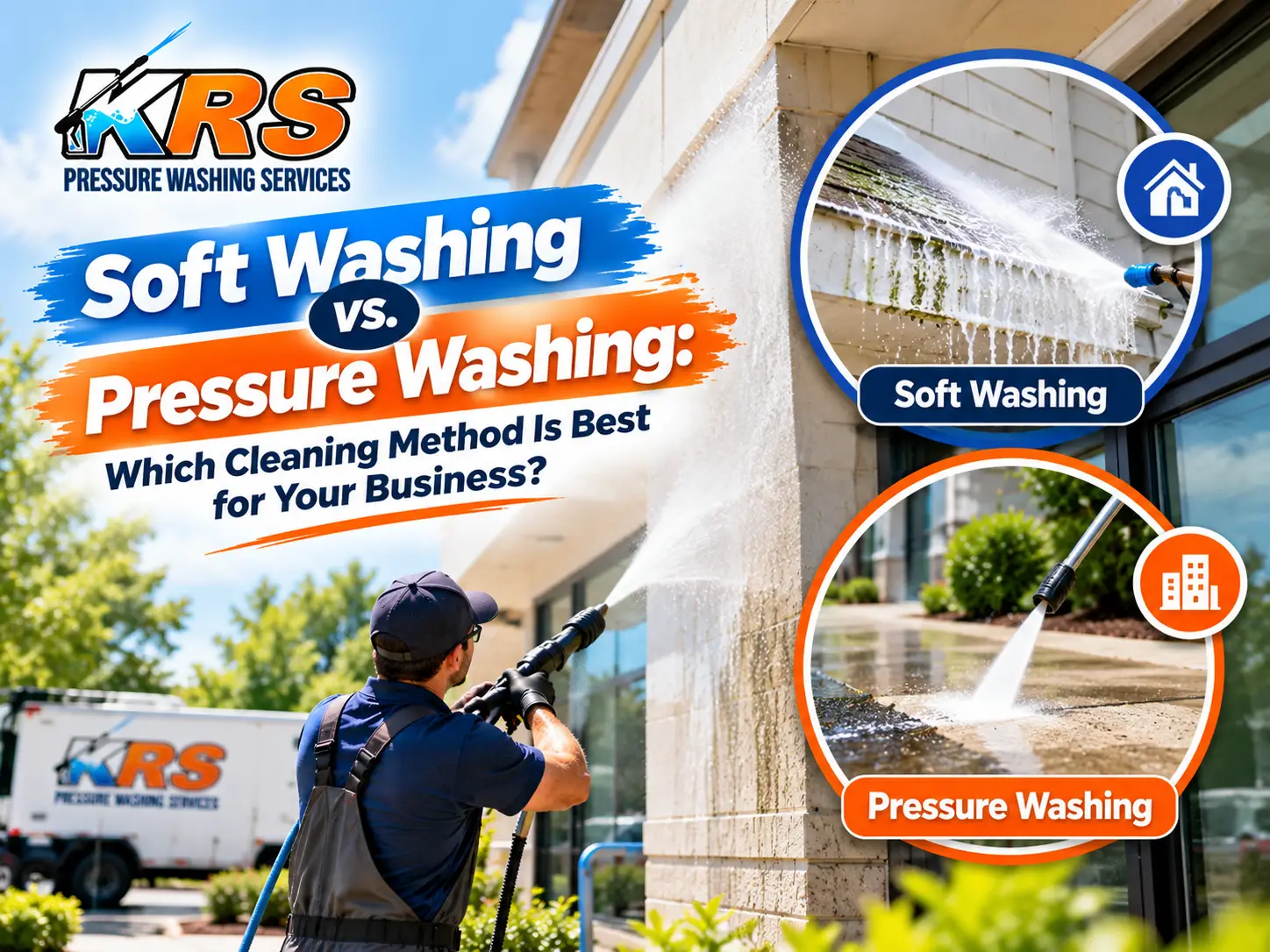
Pressure Washing or Soft Washing?
The strongest pressure is not always the best cleaning method. A professional should consider the material, its age, and the type of growth before starting.
When Pressure Washing Works Best
Pressure washing can work well on concrete, brick, stone, and other durable surfaces. The water stream helps remove dirt, mold residue, algae, and surface stains.
Pressure washing mold buildup from a driveway or walkway may require more pressure than cleaning house siding. Even hard surfaces need careful nozzle control to prevent etching, striping, or uneven results.
When Soft Washing Is Safer
Soft washing uses a cleaning solution and lower water pressure. This method can clean delicate materials without relying on force alone.
It is often suitable for house siding, painted surfaces, older wood, stucco, fences, decks, and asphalt shingles. Lower pressure helps reduce water intrusion, paint loss, and surface damage.
Homeowners who want to remove mold from siding should avoid spraying upward beneath siding panels. Water can enter behind the panels and create a hidden moisture problem.
Why Pressure Alone May Not Be Enough
Water pressure can remove visible growth without treating every remaining spore. A surface may look clean at first and develop new growth when moisture and shade remain.
Pressure washing algae stains works best when the process includes a suitable cleaning solution, proper dwell time, complete rinsing, and attention to the conditions causing the buildup.
How Professionals Remove Mold and Algae
Professional cleaning begins before the pressure washer starts. The technician should inspect the surface, identify possible damage, and select the correct method.
1. Inspect the Surface
The technician checks for loose paint, cracks, oxidation, damaged siding, open seams, and areas where water could enter. This step helps determine whether pressure washing or soft washing is safer.
The inspection also considers shade, vegetation, gutters, downspouts, and drainage. These conditions may explain why growth keeps returning.
2. Protect the Property
Preparation may include moving patio furniture, covering sensitive items, closing windows, and protecting plants near the work area.
The cleaning team should also manage runoff carefully. Dirty water may contain soil, organic growth, and cleaning residue that should not flow toward gardens or storm drains.
3. Apply a Cleaning Solution
A suitable cleaning solution helps loosen mold, algae, mildew, and dirt. The product should match the material and follow the manufacturer’s instructions.
This step matters because water alone may not break down all organic growth. Professional mold cleaning often combines chemical treatment with controlled rinsing.
4. Allow Dwell Time
The solution needs time to work before rinsing. Dwell time depends on the product, temperature, weather, surface, and amount of growth.
The solution should not dry on the surface. A trained technician monitors the area and keeps the process controlled.
5. Rinse With Suitable Pressure
The technician rinses the surface with pressure appropriate for the material. Concrete may tolerate stronger pressure than siding, wood, paint, or roofing.
The spray should move evenly across the surface. Holding the nozzle too close or staying in one spot can create marks or damage.
6. Check Missed Areas
Corners, seams, shaded sections, textured surfaces, and areas beneath gutters may need extra attention. A final inspection helps prevent patchy results.
The technician should also look for stains that may not be caused by mold or algae. Rust, oxidation, paint failure, and permanent discoloration may need a different solution.
7. Allow the Surface to Dry
A dry surface gives a better view of the final result. Some areas may look different while wet and become more even after drying.
The material’s age, porosity, oxidation, and previous damage can affect the final appearance. No cleaning company should promise that every stain will disappear.
Cleaning Different Exterior Surfaces
Each material has a different tolerance for pressure, moisture, and cleaning products. The method should change with the surface.
House Siding
Vinyl and fiber-cement siding often need low-pressure cleaning with a suitable solution. The spray should move across the surface rather than upward beneath the siding laps.
This method helps reduce water intrusion and siding damage. Siding mold removal may also require attention to gutters, shade, trees, and damp landscaping.
Concrete Driveways and Walkways
Concrete can often handle more pressure than siding. However, excessive force can still create etching, striping, or uneven cleaning.
Driveway algae removal may involve a surface cleaner, pretreatment, and controlled rinsing. Oil, rust, tire marks, and leaf stains may need separate treatment.
Patios, Decks, and Fences
Wood and painted surfaces require careful pressure control. A strong spray can cut into wood fibers, remove paint, or leave visible marks.
Composite decks and older fences also need inspection before cleaning. A surface may appear durable but still have weakened or weathered areas.
Roofs, Gutters, and Soffits
Roof cleaning creates extra access and safety concerns. Asphalt shingles should not receive the same high pressure used on concrete.
Soft washing is often better for roofs and delicate elevated surfaces. Dark gutter and soffit buildup may also point to algae, mold, or repeated water overflow.
Should You Remove Mold and Algae Yourself?
A small concrete area with light buildup may be suitable for careful DIY cleaning. A multi-story home, roof, delicate siding, or heavily contaminated property presents more risk.
Before using a pressure washer, read the equipment instructions and wear suitable eye and skin protection. Test an inconspicuous area before cleaning the entire surface.
When to Hire a Professional
- Height: The work involves a roof, second story, or tall siding.
- Delicate materials: The surface includes old wood, paint, stucco, shingles, or fragile siding.
- Heavy growth: Mold or algae covers a wide area or returns quickly.
- Mixed materials: The project includes siding, concrete, wood, brick, and roofing.
- Safety concerns: The area is slippery, steep, damaged, or near electrical components.
- Recurring problems: Growth returns because of leaks, shade, drainage, or trapped moisture.
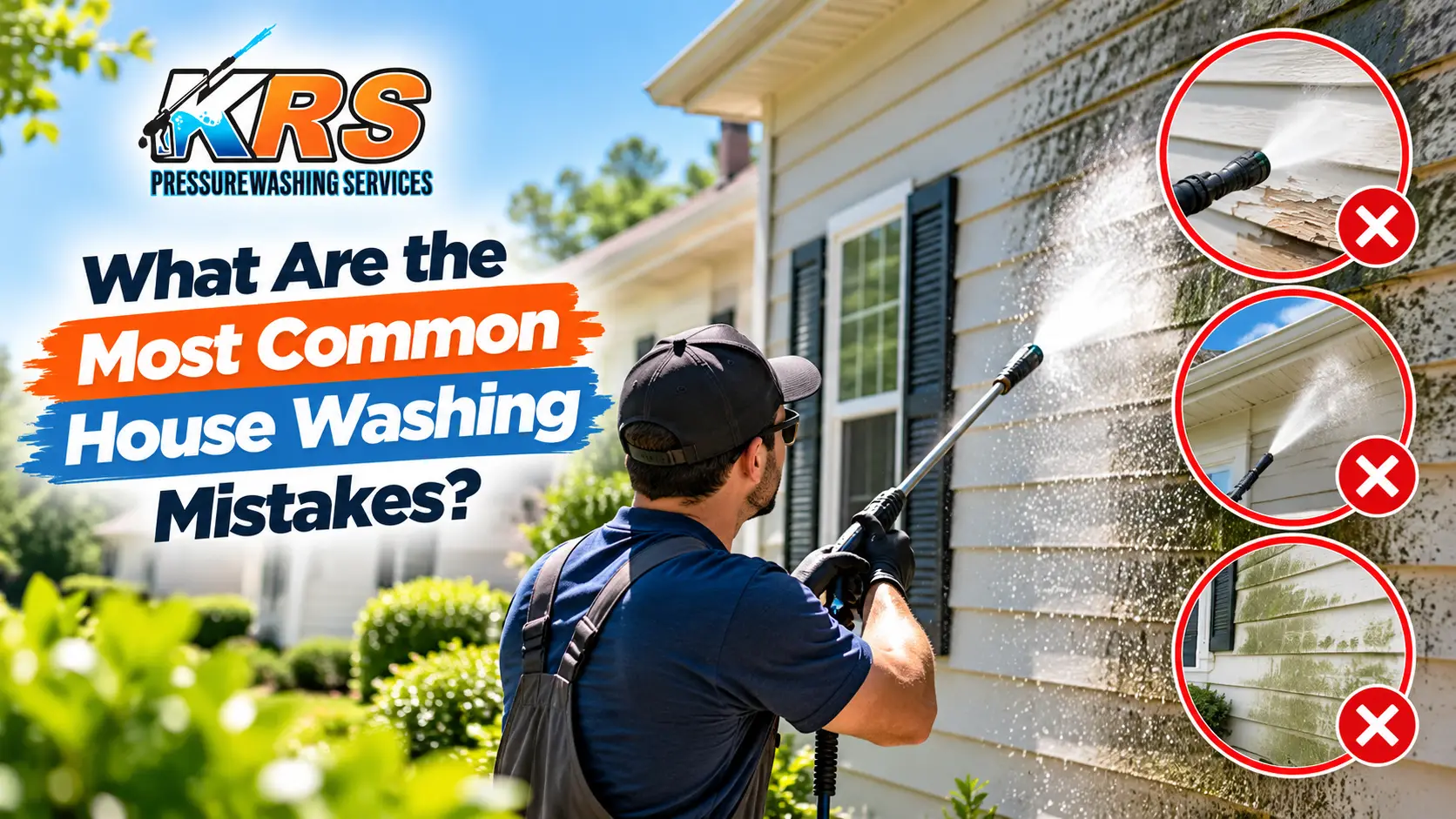
DIY Mistakes to Avoid
- Using maximum pressure on every surface.
- Spraying upward beneath siding panels.
- Holding the nozzle too close to wood or paint.
- Letting cleaning solution dry on the surface.
- Ignoring wind near plants and windows.
- Sending contaminated runoff toward storm drains.
- Cleaning a roof without proper fall protection.
- Assuming visible removal means permanent treatment.
How to Prevent Mold and Algae From Returning
Cleaning removes current growth, but it cannot correct every moisture problem. Mold and algae may return when the same damp conditions remain.
Regular inspection helps homeowners find problems before they spread. Pay close attention to shaded walls, lower siding, concrete edges, gutters, and areas near downspouts.
- Keep gutters clear.
- Direct downspouts away from the foundation.
- Trim branches that shade the home.
- Remove leaves from patios and walkways.
- Repair roof, window, and gutter leaks.
- Improve drainage where water collects.
- Watch shaded siding after wet weather.
- Schedule exterior cleaning before growth becomes widespread.
No cleaning method guarantees permanent protection. The best results come from combining cleaning with better drainage, airflow, and surface maintenance.
How Often Should You Clean Mold and Algae?
Cleaning frequency depends on the property. A shaded home surrounded by trees may need attention sooner than a sunny property with good drainage.
Many homes benefit from an annual exterior inspection and cleaning every one to two years. Homes with heavy shade, damp conditions, or recurring buildup may need more frequent service.
Schedule an inspection when growth becomes visible, concrete feels slippery, stains return quickly, or gutters leave repeated marks. Regular service can help prevent heavy organic buildup from spreading across the property.
Professional Mold and Algae Cleaning in Burlington, KY
KRS Pressure Washing provides exterior cleaning services in Burlington, Kentucky, and nearby Northern Kentucky communities. The company cleans houses, roofs, driveways, sidewalks, patios, decks, fences, and commercial properties.
The right method depends on the material, the amount of buildup, and the property’s access and drainage conditions. KRS uses custom-built soft-washing and power-washing equipment to clean different exterior surfaces safely and effectively.
Homeowners seeking pressure washing Burlington KY services can request a free quote before scheduling. A property review helps identify the affected areas and the cleaning method they need.
Questions to Ask Before Hiring
- Method: Will the surface receive pressure washing or soft washing?
- Inspection: Will the company check for damage, leaks, and drainage issues?
- Solutions: Which cleaning products will be used?
- Protection: How will plants, windows, doors, and fixtures be protected?
- Runoff: How will dirty water and cleaning residue be managed?
- Scope: Which surfaces are included in the estimate?
- Experience: Has the company cleaned this type of material?
- Insurance: Can the provider confirm current business insurance?
Frequently Asked Questions
Does Pressure Washing Kill Mold and Algae?
Pressure washing mainly removes visible growth and surface contamination. A suitable cleaning solution may help treat organic growth more thoroughly, but moisture and shade must also be addressed to reduce regrowth.
Can Pressure Washing Remove Mold From Vinyl Siding?
Vinyl siding can often be cleaned safely with low pressure or a soft-washing method. High pressure may force water behind the panels or damage the finish.
Is Bleach Safe for Removing Mold and Algae?
Some professional cleaning products contain sodium hypochlorite or similar ingredients designed for organic growth. Homeowners should follow product directions, protect plants, and never mix bleach with ammonia or incompatible chemicals.
How Quickly Can Mold Return After Cleaning?
Mold can return quickly when the surface remains damp and shaded. Rainfall, humidity, poor drainage, nearby vegetation, and surface condition all affect how long the cleaning lasts.
When Should I Hire Professional Mold Cleaning?
Hire a professional when growth covers large areas, appears on a roof or second story, returns quickly, or affects delicate materials. Professional service can also help when several exterior surfaces require different cleaning methods.
Restore Your Home’s Exterior With KRS Pressure Washing
Mold and algae are easier to manage when you remove visible growth and address the moisture conditions supporting it. Avoid using maximum pressure as a shortcut, especially on siding, roofs, wood, and painted surfaces.
KRS Pressure Washing Services can assess your Burlington property and recommend a suitable cleaning method. Contact KRS for a quote on house washing, driveway cleaning, roof cleaning, deck washing, fence cleaning, patio cleaning, or other exterior services. Homeowners searching for mold removal Burlington KY can call (859) 300-1586 or request a free quote through the company website.